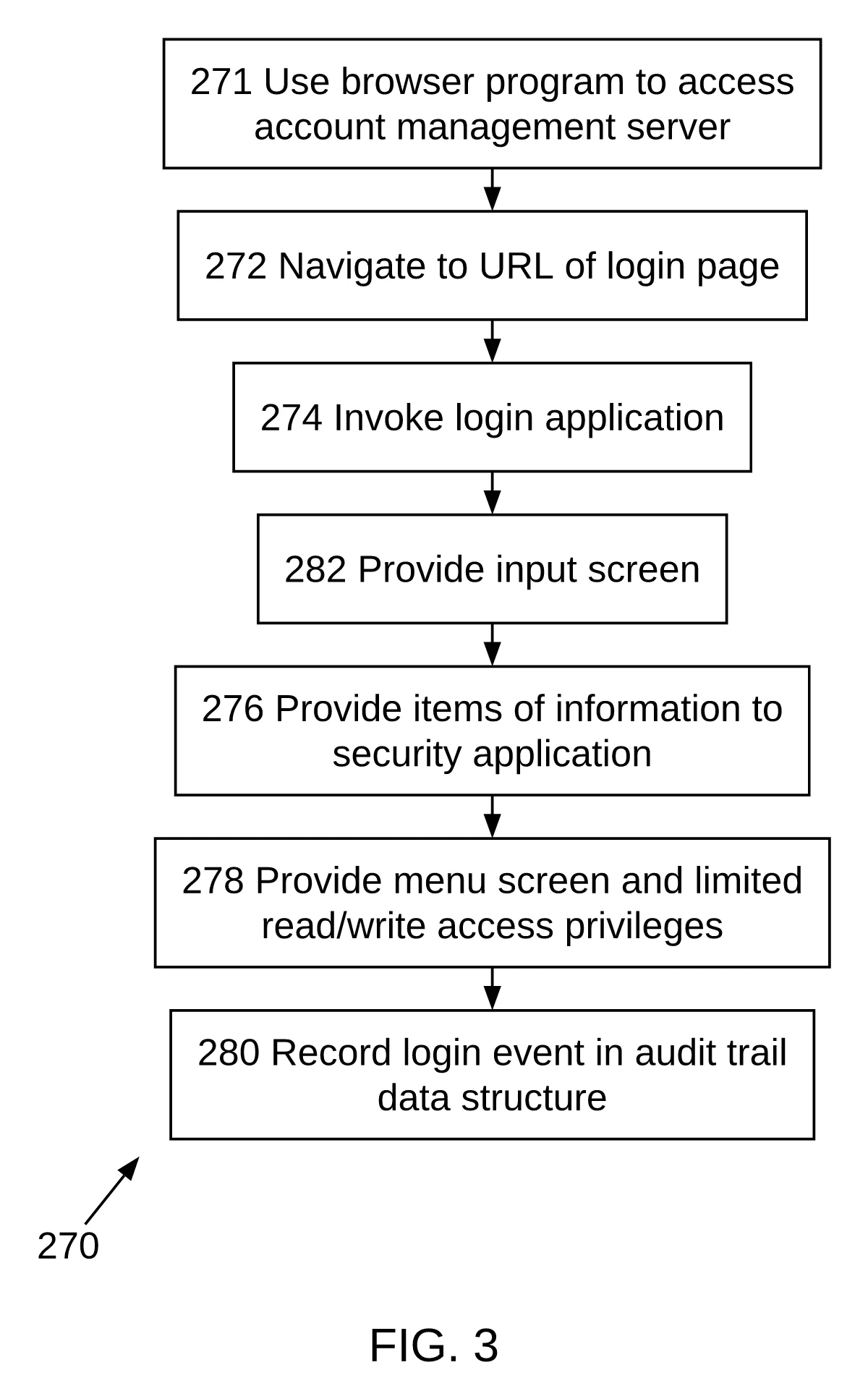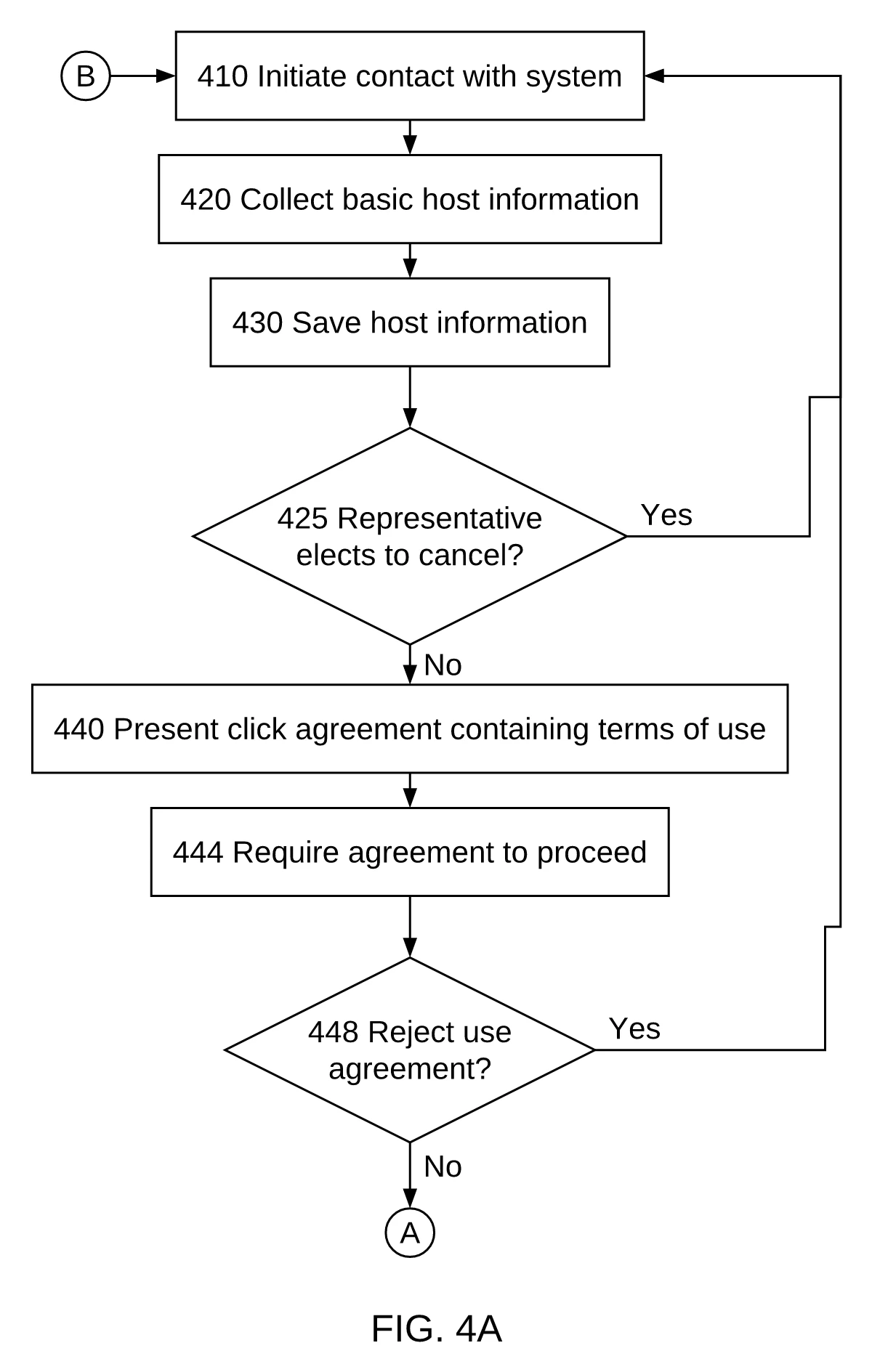

Provisional patent drawings: what to prepare
A provisional can be filed without drawings, but a drawing that is necessary for understanding still belongs with it. Here is what 37 CFR 1.51(c), 1.84, MPEP 601.01 and MPEP 608.02 actually say — and what they leave open.
By Zane · Published · Updated
Quick answer
A provisional application can get a filing date without any drawings (MPEP 601.01(f)), but 35 U.S.C. 113 still asks for a drawing where one is necessary to understand the invention, and the USPTO advises filing that drawing with the provisional (USPTO guide; MPEP 608.02 calls it prudent). 37 CFR 1.51(c)(3) lists drawings in a complete provisional as “when necessary, see §§ 1.81 to 1.85” — the range that contains 1.84. The official pages do not say in one sentence that every provisional drawing must meet 1.84, and they do not exempt provisional drawings either. The table below separates the quoted text from the reading, then the steps show how to prepare.
What the official text says
Each row quotes the sentence that matters and then says what it means in plain terms. The link in the last column goes to the official page; the quotation is not a paraphrase.
| Provision | What it says | Source |
|---|---|---|
| 37 CFR 1.51(c)(2)–(3) | “A complete provisional application filed under § 1.53(c) comprises: … (2) A specification as prescribed by 35 U.S.C. 112(a), see § 1.71; (3) Drawings, when necessary, see §§ 1.81 to 1.85 …” A complete provisional comprises a cover sheet, a specification, drawings when necessary and the fee. The drawing cross-reference reaches 1.81–1.85, the range that contains 1.84. | eCFR 1.51 |
| 37 CFR 1.84(a), opening | “There are two acceptable categories for presenting drawings in utility and design patent applications.” 1.84 states the standards for drawings in utility and design applications. It does not name provisional applications, and it does not state an exemption for them. | eCFR 1.84 |
| 37 CFR 1.84(h) | “The drawing must contain as many views as necessary to show the invention.” The number of views follows the disclosure, not a template. A method and a system may need separate views. | eCFR 1.84 |
| 37 CFR 1.84(p)(4)–(5) | “(4) The same part of an invention appearing in more than one view … must always be designated by the same reference character … (5) Reference characters not mentioned in the description shall not appear in the drawings. Reference characters mentioned in the description must appear in the drawings.” Numerals are a two-way match with the description. This matters if the provisional drawing is reused in the nonprovisional. | eCFR 1.84 |
| MPEP 601.01(b) | “A provisional application filed on or after December 18, 2013 will be given a filing date as of the date a specification, with or without claims, is received in the Office.” … “When the specification or drawing are omitted, 37 CFR 1.53(e) requires that the applicant be notified and given a time period in which to submit the missing element to complete the filing.” For a post-2013 provisional, the filing date turns on receipt of the specification. When a drawing is omitted, 1.53(e) provides for a notice and a period to complete the filing. | MPEP 601.01 |
| MPEP 601.01(f) | “Applications, which are not design applications, filed under 35 U.S.C. 111(a) or (b) on or after December 18, 2013 are entitled to a filing date even if the application does not contain drawings.” … drawings “should be submitted on filing if necessary for the understanding of the invention because no amendment may introduce new matter into the disclosure of an application after its filing date.” No drawing is needed for the filing date, but a drawing necessary for understanding should be filed with the application. Later it cannot add new matter. | MPEP 601.01 |
| MPEP 608.02, quoting 37 CFR 1.81 | “Drawings may include illustrations which facilitate an understanding of the invention (for example, flow sheets in cases of processes, and diagrammatic views).” … “The preparation of drawings for a provisional or nonprovisional application is prudent where a drawing is necessary for the understanding of the subject matter sought to be patented …” Flow sheets and diagrammatic views are expressly contemplated. The MPEP calls preparing drawings for a provisional prudent when they are necessary. | MPEP 608.02 |
| USPTO provisional application guide | “Although the application will be accorded a filing date regardless of whether any drawings are submitted, applicants are advised to file with the application any drawings necessary for the understanding of the invention, complying with 35 U.S.C. 113. A drawing necessary to understand the invention cannot be introduced into an application after the filing date because of the prohibition against new matter.” The guide repeats the filing-date point and the advice to file necessary drawings. It does not mention 1.84 or a separate provisional drawing standard. | USPTO guide |
We also read MPEP 601.01(d). It addresses an application filed without all pages of the specification, not the 1.84 drawing standards; its reference to “at least one drawing figure, if necessary under 35 U.S.C. 113 (first sentence)” appears in the pre-2013 or design-application branch. It does not add a provisional drawing rule.
What the text does not settle
The honest answer has two halves. The cross-reference is explicit: a complete provisional under 1.51(c) includes drawings “when necessary, see §§ 1.81 to 1.85,” and 1.84 sits inside that range. At the same time, none of the official pages we read contains a sentence saying “every provisional drawing must comply with 1.84,” and none contains a sentence exempting provisional drawings from it. 1.84(a) speaks of drawings “in utility and design patent applications,” without naming provisionals.
So do not read this page as a ruling either way. If the answer matters to your filing, the official pages do not state it explicitly; check the USPTO provisional application guide and ask a registered practitioner. What the text does support is narrower and still useful: if you put a drawing in the provisional, 1.51(c)(3) points to the drawing rules in 1.81–1.85.
If a nonprovisional may follow, prepare to 1.84 now
This section is drafting advice, not a statement that the rule text requires 1.84 paper for every provisional. It follows from how the 12-month link works.
- The drawing you file is the disclosure you can rely on. The USPTO guide says the claimed subject matter in the later nonprovisional must have support in the provisional, and MPEP 608.02 (quoting 35 U.S.C. 113) bars using drawings filed after the filing date to supplement the disclosure. Preparing the figure now is cheaper than discovering later that it cannot be added.
- The numerals can stay put. 1.84(p)(4) requires the same part to carry the same character in every view, and 1.84(p)(5) requires the drawing and description to match in both directions. If the provisional already uses the numerals the nonprovisional description will use, the later set starts consistent.
- The sheet checks are objective. Paper size and margins (1.84(f), (g)), black lines (1.84(a)(1), (l)), letter height (1.84(p)(3)) and view and sheet numbering (1.84(t), (u)) can be measured on the exported page. Measuring once now avoids a redraw later.
You get 5 free credits (about 1–2 complete drawings) when you sign in with Google; editing does not use a drawing credit.
Seven steps from description to filed sheet
Decide whether a drawing is necessary
35 U.S.C. 113 says the applicant “shall furnish a drawing where necessary for the understanding of the subject matter to be patented,” and 37 CFR 1.81(a) repeats it for applications filed on or after December 18, 2013. 1.81(b) adds that drawings “may include illustrations which facilitate an understanding of the invention (for example, flow sheets in cases of processes, and diagrammatic views).” A flow sheet is contemplated, not automatically required. If your description refers to a figure, that is a practical signal to include one.
List the views from the description
1.84(h) asks for as many views as necessary to show the invention. For a software invention, one flowchart for the method and one block diagram for the system is a common split; the description decides. Do not add a view the text does not support.
Set the sheet to the 1.84 measurements
Use A4 or US Letter at the same size for every sheet, keep the margins of 1.84(g), draw solid black lines (1.84(a)(1), (l)) and set letters and numerals at least 0.32 cm high (1.84(p)(3)). The measured values are collected on the 37 CFR 1.84 checklist; there is no reason to reproduce them here.
Number every part the way the description will
1.84(p)(4) requires the same part to carry the same reference character in every view, and forbids one character for two parts. 1.84(p)(5) works both ways: a character the description does not mention must not appear, and every character it mentions must appear. If the provisional becomes the basis for a nonprovisional, starting with the final numerals avoids a renumbering pass.
Label the views and the sheets
1.84(u) numbers views consecutively with “FIG.” before each number; a single view is not numbered and “FIG.” must not appear. 1.84(t) puts the sheet number in the middle of the top, inside the sight. These are separate sequences, so do not let one stand in for the other.
File the drawings with the provisional when they are necessary
The USPTO guide advises filing drawings necessary for understanding with the application and notes that a necessary drawing cannot be introduced later because of the prohibition on new matter. MPEP 608.02 calls preparing the drawing prudent, and MPEP 601.01(f) gives the new-matter reason. The guide also states that amendments in a provisional are not permitted after filing except those required to comply with applicable regulations.
Check the exported PDF, not the editor
Export the page and measure the file you will upload. The free patent drawing checker reports margins, text height, black-only lines, FIG. labels, sheet numbers and duplicated numerals. It measures the page; it does not decide whether the figure shows every feature or whether the Office will accept it.
What PatentQuill does not do
Decide whether your provisional needs a drawing
That is a question about your disclosure under 35 U.S.C. 113 and your filing strategy. PatentQuill drafts a figure when you supply the text; it does not decide whether a figure is necessary.
Mechanical, structural, electrical or design drawings
PatentQuill draws method flowcharts and system block diagrams. It does not draw part geometry, section views, ornamental design or machine components; use a patent draftsperson or CAD for those. If you are comparing routes, the patent drawing cost page lists published per-sheet rates.
Drawings for other patent offices
The rules quoted here are the USPTO rules in 37 CFR 1.84 and the MPEP. PatentQuill does not prepare PCT, EPO, UK or other national formats, and this article does not compare them.
Steps, modules or connections that are not in your text
Every box has to come from a sentence you supplied, and every line should be checked against it. Check any box, numeral or line on a generated sheet against your text before you keep it.
A guarantee that the USPTO will accept the sheet
The checks cover measurable points: margins, letter height, black lines, FIG. labels, sheet numbers and numeral consistency. They do not decide whether a figure shows every feature. Acceptance is the Office’s decision.
Legal advice
PatentQuill is a drafting tool, not a law firm. It does not review claims, advise on patentability or replace your attorney.
Rule text: 37 CFR 1.84 — Standards for drawings — Electronic Code of Federal Regulations; MPEP 608.02 — Drawing — USPTO Manual of Patent Examining Procedure. Checked 2026-11. This article is not legal advice.
Questions
Does a provisional application need drawings?
Do provisional drawings have to meet 37 CFR 1.84?
Can I add a missing drawing after I file the provisional?
Does the USPTO examine provisional drawings?
Can I reuse the provisional drawings in the nonprovisional?
Bottom line
If a drawing is necessary to understand your invention, file it with the provisional and prepare it to 1.84 now. Check the exported file with the free patent drawing checker, compare the result with the 37 CFR 1.84 checklist, and confirm the filing question against the official sources or your practitioner. PatentQuill does not provide legal advice.
PatentQuill is a drafting tool, not a law firm, and this article is not legal advice. It explains drafting practice for 37 CFR 1.84 drawings and does not replace the rule text, MPEP 608.02 or advice from your attorney. Confirm every figure against the official sources before you file.